Nonpolar Solvent: Properties and Uses of Sesame Oil
Share to
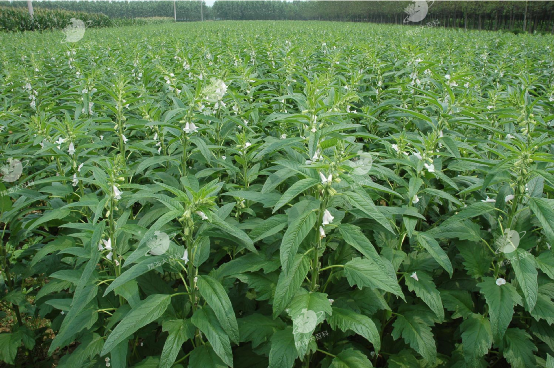
In biocompatibility testing of medical devices, the preparation of extraction media typically requires two types of solvents:
Polar solvents: saline, PBS buffer, water, etc.
Non-polar solvents: sesame oil, cottonseed oil, olive oil, etc.
This dual-solvent strategy aims to comprehensively evaluate all potentially released substances from device materials: polar solvents extract hydrophilic components, while non-polar solvents extract lipophilic ones.
Sesame Oil Grade Requirements and Quality Standards
Recommended Grade: Injectable/IV Grade or Pharmacopeial Grade
Tier | Standard Basis | Core Requirements |
Injection Grade | USP/NF, EP, ChP | Sterile, pyrogen-free, endotoxin ≤ 0.25 EU/mL |
Pharmacopoeia Grade | Chinese Pharmacopoeia | Meets pharmacopoeia quality standards; heavy metals, pesticide residues, and microbial limits are within acceptable limits. |
Key Differences Between Injection-Grade and Pharmacopoeia-Grade:
Sterile and Pyrogen-Free: Injection-grade products must pass the "Sterility Test" and "Pyrogen Test" (rabbit or LAL method) as specified in the Chinese Pharmacopoeia, with endotoxin levels ≤ 0.25 EU/mL. This requirement is not mandatory for Pharmacopoeia-grade products.
Biocompatibility: Injectable grades must pass hemolysis, muscle/venous irritation, and hypersensitivity tests.
Production Process: Injection-grade products undergo terminal sterilization (121℃/30 min steam sterilization) or sterile filtration (0.22 μm), followed by aseptic filling.
Properties of sesame oil
Appearance: Clear, colorless to pale yellow liquid
Solubility: Slightly soluble in ethanol; insoluble in water
CAS No.: 8008-74-0
Storage: Keep in a cool, dry place away from light at room temperature.
Risk Disclosure: Sesame oil is rich in unsaturated fatty acids.Highly prone to oxidation and rancidityOxidation increases peroxide values and acid values while darkening the color. This not only compromises experimental results but may also introduce false-positive toxicity reactions.
Usage protocol in biocompatibility testing
The typical process for using sesame oil as an extraction medium, according to ISO 10993-12, is as follows:
1 Extraction Conditions
Extraction Medium: Sesame Oil (Non-polar), Saline Solution (Polar)
Extraction ratio: 0.1-0.2 g/mL (mass/volume) / surface area 3 cm²/mL
Extraction Temperature: 37°C (in vivo simulation) or 70°C (accelerated extraction)
Extraction time: 72 h ± 2 h (37°C) or 24 h (70°C)
Elastomer Special Provision: 1.25 cm³/mL (thickness > 1.0 mm)
2 Operation Process
① Sample Preparation: Cut or clean the medical device sample to the specified dimensions and record its mass or surface area.
② Extraction preparation: Place the sample in a sterilized glass container, add sterile sesame oil (extraction ratio 0.1-0.2 g/mL), and seal the container to prevent evaporation.
③ Extraction process: Oscillate or let stand for extraction at 37°C ± 1°C for 72 h ± 2 h, or extract at 70°C for 24 h.
④ Extract Treatment: After extraction, filter or centrifuge the extract to remove particles and dilute appropriately as required by the experiment.
⑤ App Diagnostics
Cytotoxicity test: Co-cultured with L929 mouse fibroblasts for 24 h
Skin Sensitization Test: In vitro testing performed according to ISO 10993-10 standards
Stimulus test: Performed according to ISO 10993-23 standard