
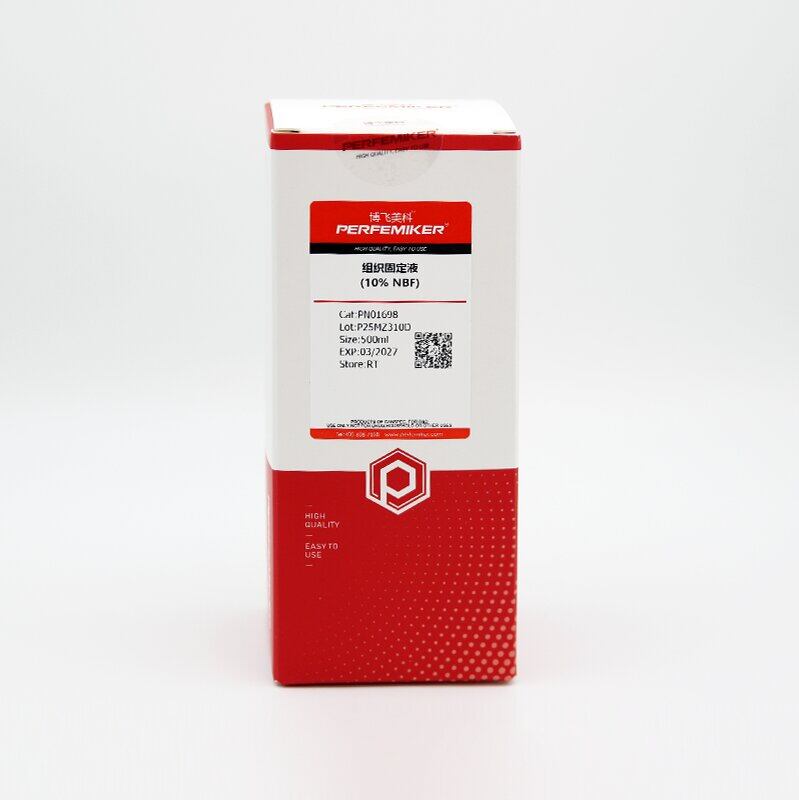
Fixative solution (10% NBF)
Organic fixative (10% NBF), also known as neutral buffered formalin (10%), is composed primarily of formaldehyde, phosphate buffer, and deionized water. It has a pH range of 7.2–7.4 and is suitable for fixing most tissue types.
PN1698
Perfumer
500 mL
China
In Stock
On Sale
Share to
Fixation preserves the native morphology and structure of cells and tissues. Fixatives inhibit autolysis by endogenous lysosomal enzymes, suppress bacterial and fungal growth, and inactivate enzymes through protein denaturation or adduct formation. They also induce physical changes to cellular components such as the nucleus and extracellular matrix. Common fixative types include aldehydes, mercury-based compounds, alcohols, oxidizing agents, and picrates. Formalin (an aldehyde) and ethanol (an alcohol) are the most widely used.
Tissue fixative (10% NBF), also known as neutral buffered formalin fixative (10%), consists primarily of formaldehyde, phosphate buffer, and deionized water. Its pH range is 7.2–7.4, making it suitable for fixing most tissue types. This reagent is for research use only and is not intended for clinical diagnosis or other applications.
Related Downloads
No download materials available
Recommended Related Products
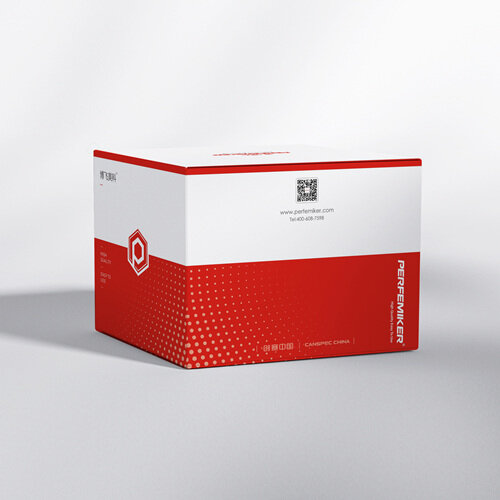
Hematoxylin and Eosin (H&E) Staining Kit
Hematoxylin and Eosin (H&E) staining colors the cytoplasm red, nuclei blue-purple, and red blood cells orange-red, while other components appear in varying shades of red. It is widely used for staining tissue sections, blood smears, bone marrow sections, and cell smears in immunohistochemistry. As one of the most routine staining methods, H&E is essential in cell biology, histology, and pathology.
Hematoxylin and Eosin (H&E) Staining Solution
Hematoxylin and Eosin (H&E) staining is the most fundamental and widely used histological technique for tissue sectioning in pathology.
Need product inquiries or a discount quote?
Our expert team will provide you with detailed product information and customized solutions.