Biocompatibility Research Technology for Medical Devices
Share to
Definition of biocompatibility
Biocompatibility is one of the most fundamental and critical concepts in the medical device industry. According to the International Organization for Standardization (ISODefinition: Biocompatibility refers to the ability of a medical device or material to perform its intended function when in contact with human tissues, cells, or body fluids without causing any adverse effects to the patient. These adverse effects may include toxicity, allergic reactions, inflammation, or other potential harms. This definition emphasizes that biocompatibility is not an intrinsic property of the material but rather a dynamic outcome of its interaction with a specific biological environment.
From an official perspective, biocompatibility encompasses two core dimensions: tissue compatibility and blood compatibility. Tissue compatibility reflects the degree of mutual regulation between a material and living tissue, including interfacial reactions with the tissue, cell adhesion, inflammatory response, and the capacity for tissue regeneration. Blood compatibility refers to whether direct contact with blood triggers platelet aggregation, coagulation, thrombus formation, or hemolysis. Adverse blood reactions significantly reduce the material's usage efficiency and clinical efficacy.
ISO 10993The ISO 10993 series comprises internationally recognized standards for biocompatibility testing of medical devices, developed by the International Organization for Standardization (ISO). These standards aim to assess potential biological risks associated with contact between medical devices and the human body. The series covers multiple aspects, including sample preparation, chemical characterization, toxicological risk assessment, and specific biological test methods, providing systematic guidance for biological evaluation across various types of medical devices. CurrentlyISO 10993The series of standards includes18to20This section covers comprehensive content including biocompatibility evaluation, risk management, and analysis of degradation products for medical devices.
Significance of Biocompatibility Testing for Medical Device Products
The significance of biocompatibility testing for medical devices lies in ensuring patient safety, meeting regulatory compliance requirements, and enhancing the product's market competitiveness.
First, biocompatibility testing is a critical step in ensuring the safety of medical devices and directly impacts patient health.
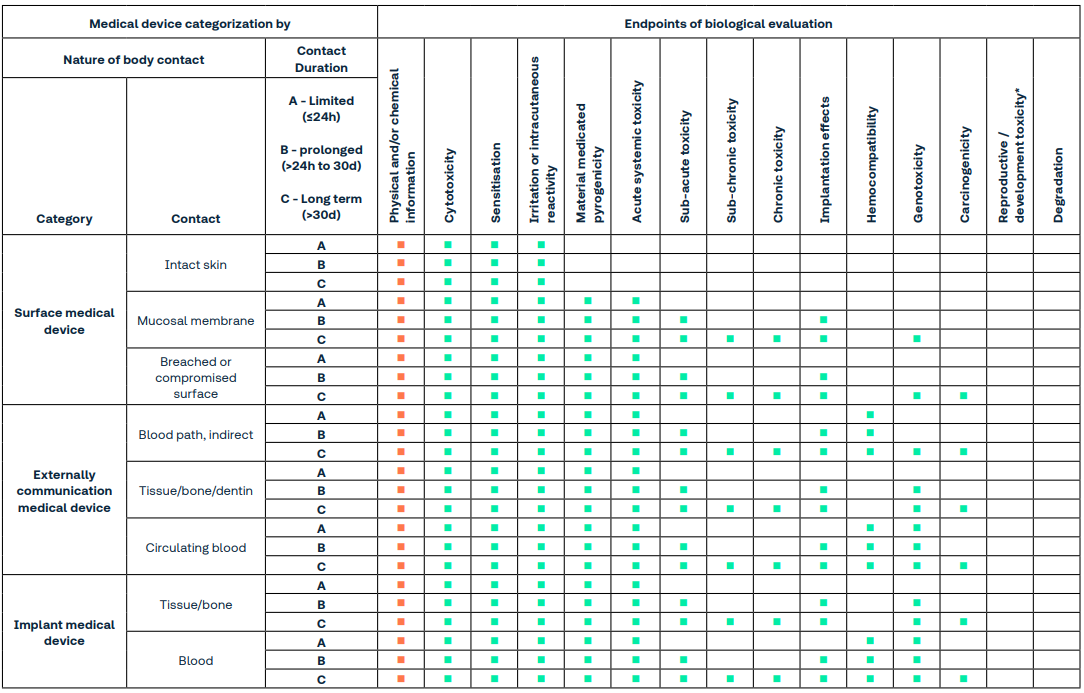
Medical devices pose varying levels of risk to the human body depending on contact duration. Short-term contact may affect skin, mucous membranes, or blood. Long-term contact can lead to chronic toxicity, such as damage to organs like the liver and kidneys, impact future generations, or trigger cancer.
Second, biocompatibility testing is critical for medical devices to enter clinical use and obtain market approval.
As regulatory oversight of medical devices intensifies globally, biocompatibility testing has become a mandatory requirement for product registration. Manufacturers must ensure their products pass these tests to comply with regulations, guarantee safety, and enhance market competitiveness. The National Medical Products Administration's Center for Drug Evaluation (NMPA CDE) places high priority on biocompatibility studies for drug-device combination products; many submissions have been returned for additional data due to insufficient or missing related research.
Third, biocompatibility testing helps identify and control risks during the product development phase.
Biological evaluation is a critical component of risk assessment and must be controlled throughout the entire lifecycle of medical devices, including R&D, packaging design, and production process control. Conducting biocompatibility assessments during the product design and development phase enables companies to identify issues related to material selection and process improvements early on, avoiding significant losses from failed clinical trials later.